
Kiire vastus
Maagilist käsna tuleks tavaliselt kasutada vee ja kerge survega. Niisutage käsn, pigistage liigne vesi välja ja hõõruge määrdunud ala õrnalt, mitte agressiivselt nühkige. Melamiinvahust valmistatud maagilised käsnad sobivad üldiselt vastupidavatele pindadele, nagu keraamilised plaadid, valamud, keraamiline sanitaartehnika, mõned roostevabast terasest pinnad, kingatallad ja teatud värvitud seinad. Siiski tuleks neid üldiselt vältida läikiva värvi, autovärvi, naha, puutetundlike ekraanide, poleeritud looduskivi ja muude õrnade või kergesti kriimustuvate pindade puhastamisel. Tundmatu pinna puhastamisel testige käsna alati kõigepealt väikesel peidetud alal.
Mis on maagiline käsn?
Võlukäsn, mida tavaliselt nimetatakse ka maagiliseks kustutuskäsnaks või melamiinist puhastuskäsnaks, on valmistatud avatud pooridega melamiinvahust.
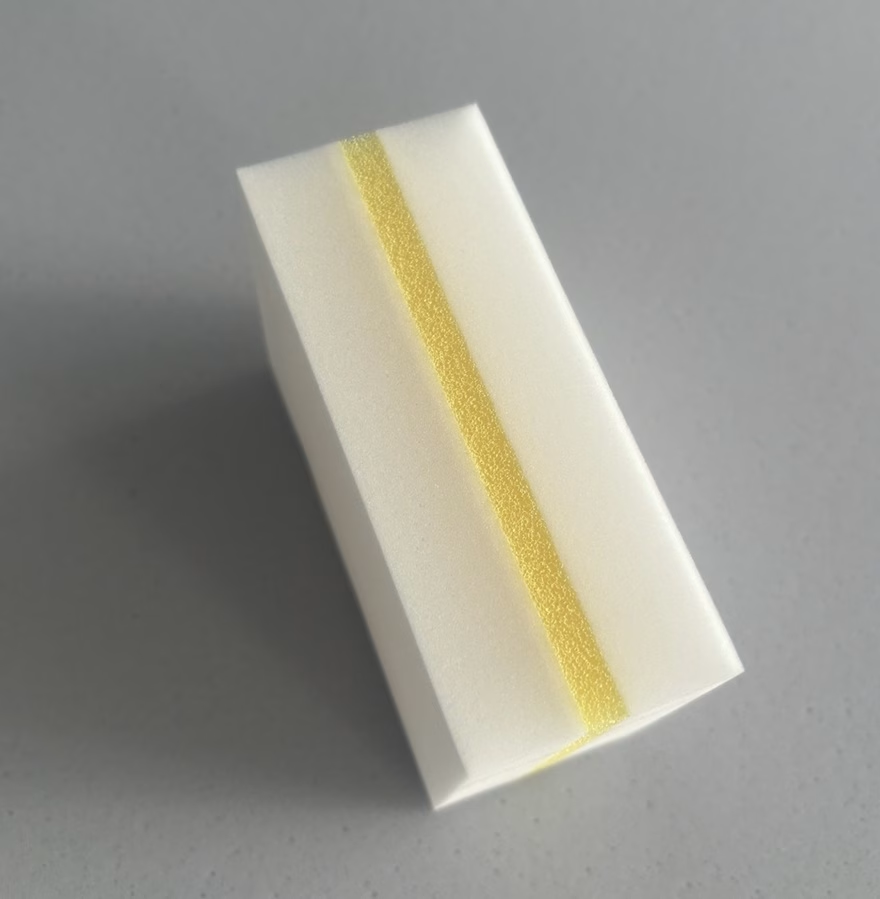
Erinevalt tavapärasest köögikäsnast, mis imab peamiselt vett või kannab pesuvahendit üle pinna, on melamiinvahul väga peen kolmemõõtmeline poorne struktuur.
Kergelt pinna vastu hõõrudes annab see struktuur õrna mehaanilise puhastustoime, mis aitab eemaldada:
- Kriimustusjäljed
- Kingajäljed
- Sõrmejäljed
- Värvipliiatsimärgid
- Seebijäägid
- Pinna mustus
- Teatud kangekaelsed majapidamisplekid
Paljudes rakendustes on vaja ainult vett.
Sama mikroabrasiivne puhastusmehhanism, mis muudab võlukäsna tõhusaks, tähendab aga ka seda, et seda tuleb kasutada ettevaatlikult.
Seega on maagilise käsna ohutu kasutamise oskus sama oluline kui teadmine, mida sellega puhastada saab.

Kuidas maagilist käsna ohutult kasutada
Võlukäsna õige kasutamine on lihtne, kuid mõned väikesed detailid võivad pinna kahjustamise ohtu oluliselt vähendada.
1. samm: kontrollige kõigepealt pinda
Enne puhastamist tehke kindlaks, kas pind on kõva, vastupidav, kaetud, poleeritud, värvitud või hõõrdumisele tundlik.
Kui te pole kindel, testige käsna väikesel peidetud alal.
See on eriti oluline:
- Värvitud pinnad
- Kaetud metall
- Poleeritud pinnad
- Dekoratiivne viimistlus
- Vanem mööbel
- Tundmatud pinnakatted
2. samm: niisutage maagilist käsna
Leota melamiinist käsna puhta veega.
Vesi aitab vahtu pehmendada ja võimaldab sellel paremini pinnale kohaneda.
3. samm: pigistage liigne vesi välja
Pigistage käsna õrnalt, kuni see jääb niiskeks, kuid ei tilgu enam.
Väldi käsna agressiivset keerutamist, kuna see võib kahjustada sisemist vahustruktuuri.
4. samm: kasutage kerget survet
Hõõruge määrdunud ala õrnalt.
Alustage minimaalse survega ja suurendage seda ainult vajadusel.
Maagiline käsn ei vaja tavaliselt agressiivset nühkimist.
Liiga suur surve võib:
- Kanna käsna kiiremini
- Suurenda vahu purunemist
- Eemaldage pinnakatted
- Vähenda läiget
- Jäta nähtavaid hõõrdumisjälgi
Enamiku plekkide puhul on mitu õrna läbimist parem kui üks agressiivne nühkimine.
5. samm: Pühkige pind puhtaks
Pärast puhastamist kasutage lahtiste jääkide eemaldamiseks niisket mikrokiudlappi või puhast lappi.
Vajadusel kuivatage pind pärast töötlemist.
Milliseid pindu saab maagilise käsnaga puhastada?
Maagilised käsnad toimivad kõige paremini suhteliselt kõvadel ja vastupidavatel pindadel.
Pinnakatted on tootjate vahel siiski väga erinevad, seega on siiski soovitatav teha kohapealne testimine.
- Keraamilised plaadid
Keraamilised plaadid on melamiinist puhastuskäsnade üks levinumaid rakendusi.
Need aitavad eemaldada:
- Mustus
- Seebijäljed
- Kingajäljed
- Sõrmejäljed
- Pinna mustus
Maagilised käsnad on eriti kasulikud köökides, vannitubades ja sissepääsualadel.
Tugevalt poleeritud või spetsiaalselt kaetud plaatide puhul testige kõigepealt.
- Keraamilised valamud ja sanitaartehnika
Melamiinvaht võib olla kasulik puhastamiseks:
- Keraamilised valamud
- Valamud
- Tualetid
- Keraamilised vannitoatarvikud
See aitab eemaldada veeplekke, seebijääke ja pinna mustust ilma suures koguses puhastuskemikaale kasutamata.
- Kingatallad ja kummist vahetallad
Üks üha populaarsemaid võlukäsnade rakendusi on tossude ja spordijalatsite puhastamine.
Need on eriti tõhusad järgmistel juhtudel:
- Valged kummist tallad
- EVA kesktallad
- Kummist varvaste piirkonnad
- Külgseinad
Niisutage käsna kergelt ja puhastage määrdunud ala õrnade liigutustega.
oluline
Ärge kasutage käsna automaatselt kogu kinga peal.
Nahk, kaetud nahk, värvitud kaunistused, trükitud logod, seemisnahk ja õrnad kangad võivad reageerida erinevalt.
Tossude puhastamiseks sobivad maagilised käsnad üldiselt kõige paremini kummist ja vastupidavast sünteetilisest tallast pindadele.
- Väikesed jäljed värvitud seintel
Maagilisi käsnasid kasutatakse sageli järgmiste eemaldamiseks:
- Sõrmejäljed
- Kinga kriimustused
- Pliiatsijäljed
- Heledad värvipliiatsijäljed
- Üldine seina mustus
Värvitud seinad vajavad aga erilist ettevaatust.
Matt või matt seinavärv võib mõnikord olla oodatust tundlikum, samas kui korduv hõõrumine võib tekitada nähtava läikiva laigu või eemaldada pigmenti.
Testi alati esmalt varjatud kohta ja kasuta väga kerget survet.
- Roostevaba teras – ettevaatusega
Roostevabast terasest pindadel olevate plekkide puhul võib mõnikord kasutada maagilist käsna.
Sobivate näidete hulka võivad kuuluda teatud:
- Köögivalamud
- Kommunaaltehnika
- Roostevabast terasest tööpinnad
- Seadmed ilma õrnade dekoratiivkateteta
Harjatud, poleeritud, kaetud või peegelviimistlusega roostevaba teras võib aga olla hõõrdumise suhtes tundlik.
Kui roostevabal terasel on nähtav kiu suund, puhastage õrnalt piki kiudu, mitte risti sellega.
Tehke alati esmalt väikesel alal test.
Pinnad, mida peaksite vältima maagilise käsnaga puhastamisel
Kuna melamiinvaht toimib osaliselt kerge füüsilise hõõrdumise kaudu, ei tohiks seda käsitleda sobivana iga materjali jaoks.
Mõned pinnad võivad kaotada läike, kriimustuda või saada püsivaid kattekahjustusi.
Järgmiste pindadega tuleb üldiselt olla eriti ettevaatlik või neid tuleks vältida.
- Kõrgläikega värvitud pinnad
Vältige läikiva värvi puhul maagiliste käsnade agressiivset kasutamist.
Mikroabrasiivne toime võib järk-järgult läiget vähendada või tekitada tuhmi laigu.
Näited:
- Läikiv mööbel
- Lakitud kapid
- Klaveri viimistlus
- Kõrgläikega dekoratiivpaneelid
- Kaetud majapidamispinnad
Nende rakenduste jaoks on tavaliselt ohutum pehme mikrokiudlapp ja spetsiaalselt katte jaoks mõeldud puhastusvahend.
- Autovärv
Võlukäsna ei tohiks üldiselt auto välisvärvil kasutada.
Kaasaegsete sõidukite pinnad koosnevad sageli mitmest kihist, sealhulgas:
- Alusvärv
- Puhas mantel
- Kaitsekatted
- Vaha või hermeetik
Melamiinvaht võib neid kihte tuhmuda või hõõruda.
Autokere puhastamiseks kasutage spetsiaalseid autopesu- ja detailimisvahendeid.
- Nahk
Väldi maagiliste käsnade kasutamist nahal, välja arvatud juhul, kui nahatootja on selle meetodi spetsiaalselt heaks kiitnud.
Nahk võib sisaldada:
- Pigmendid
- Kaitsekatted
- Õlid
- Pinnaviimistlused
Abrasiivne puhastamine võib need kihid eemaldada ja jätta püsivalt heledama või karedama ala.
See kehtib selliste esemete kohta nagu:
- Nahkkingad
- Nahast diivanid
- Kotid
- Autode nahkistmed
- Nahast aksessuaarid
- Puuteekraanid ja elektroonilised kuvarid
Ärge kasutage maagilist käsna järgmistel juhtudel:
- Nutitelefonide ekraanid
- Tahvelarvuti ekraanid
- Sülearvutite ekraanid
- Puutetundliku ekraaniga juhtpaneelid
- Televisiooniekraanid
- Kaamera kuvab
Need pinnad võivad sisaldada õrnu peegeldusvastaseid, oleofoobseid või kaitsekihte, mida hõõrdumine võib kahjustada.
Kasutage selle asemel sobivat mikrokiudlappi ja elektroonikaseadmetele ohutut puhastusmeetodit.
- Looduslik kivi
Vältige õrna või poleeritud looduskivi peal maagiliste käsnade kasutamist, kui neid pole spetsiaalselt testitud.
Näited:
- Marmor
- Lubjakivi
- Travertiin
- Poleeritud graniit
- Spetsiaalse kattega tehiskivi
Poleeritud pinnad võivad korduva abrasiivse puhastamise korral läiget kaotada.
Looduskivil võib olla ka hermeetikuid, mida ei tohiks kahjustada.
Kasutage materjali jaoks soovitatud kivile ohutut puhastusvahendit.
- Kergesti kriimustuvad või õrnad pinnad
Üldreeglina tuleks vältida maagiliste käsnade kasutamist pindadel, kus peen hõõrdumine võib tekitada nähtavaid kahjustusi.
Näited võivad hõlmata järgmist:
- akrüül
- Pleksiklaas
- Poleeritud plastik
- Läikiv plastik
- Dekoratiivsed katted
- Mittenakkuvad katted
- Antiikne viimistlus
- Pehmed metallpinnad
- Kõrgläikega laminaadid
Kahtluse korral vali vähem abrasiivne puhastusmeetod.
Ohutute ja ohtlike pindade ülevaade
| Pind | Soovitus | märkused |
| Keraamiline plaat | Üldiselt sobib | Testige poleeritud viimistlusi |
| Keraamiline valamu | Üldiselt sobib | Kasutage kerget survet |
| Kinga kummist tald | Üldiselt sobib | Väldi õrnu jalanõude pealispindu |
| Värvitud sein | Kasutage ettevaatusega | Testi esmalt, eriti mattvärvi |
| Roostevaba teras | Kasutage ettevaatusega | Jälgige kiudude mustrit ja testige katet |
| Kõrgläikega värv | Vältima | Võib vähendada läiget |
| Autode värv | Vältima | Võib mõjutada läbipaistvat lakki |
| Nahk | Vältima | Võib eemaldada viimistluse või pigmendi |
| Puutetundlik | Vältima | Võib kahjustada pinnakatteid |
| Looduslik kivi | Tavaliselt väldib | Võib mõjutada poleerimisvahendit või hermeetikut |
| Akrüül / pleksiklaas | Vältima | Kergesti kriimustatud |
| Mitte-kleepuv kate | Vältima | Võib kahjustada funktsionaalset katet |
Miks võib maagiline käsn teatud pindu kahjustada?
Vastus peitub melamiinvahu struktuuris.
Suurenduse all on näha, et kõvenenud melamiinvaht sisaldab äärmiselt peent omavahel ühendatud võrgustikku.
Pinna vastu hõõrudes tekitab see struktuur kerge abrasiivse efekti.
See aitab selgitada, miks maagiline käsn suudab eemaldada plekke, mida tavalise pehme käsnaga on raske eemaldada.
Kuid puhastustulemus eeldab alati tasakaalu järgmiste elementide vahel:
Puhastusjõud
ja
pinna vastupidavus
Vastupidav keraamiline plaat talub seda kokkupuudet väga hästi.
Läikiv kate seevastu võib näidata mikroskoopilist hõõrdumist nähtava tuhmumisena.
Sel põhjusel:
Tugevam nühkimistoime ei ole tingimata parem puhastus.
Õige rõhk ja õige pinna valik on olulised.
Kas vajate puhastuskemikaale maagilise käsnaga?
Paljudes igapäevastes puhastustöödes piisab ainuüksi veest.
See on üks põhjus, miks melamiinvahust puhastusvahendid on populaarsed rakendustes, kus kasutajad soovivad vähendada ebavajalikku pesuvahendi tarbimist.
Tugevama rasva või spetsiifilise saastumise korral võib siiski olla vaja sobivat puhastusvahendit.
Enne maagilise käsna ja keemiliste puhastusvahendite kombineerimist kontrollige mõlemat:
- Kas puhastusvahend sobib pinnaga.
- Kas puhastusvahend sobib käsnaga.
Ärge eeldage, et tugevamad kemikaalid parandavad automaatselt puhastustulemusi.
Kas peaksite maagilise käsna kasutamisel kindaid kandma?
Tavapäraseks majapidamispuhastuseks veega käsitsevad paljud kasutajad otse melamiinist käsnasid.
Kindad võivad siiski olla kasulikud, kui:
- Pikaajaline puhastamine
- Töötamine pesuvahenditega
- Rasvaste või saastunud alade puhastamine
- Sul on tundlik nahk
Vältige pikaajalist agressiivset otse naha vastu hõõrumist, sest melamiinist käsn on mõeldud pindade hõõrdumiseks, mitte isikliku hügieeni käsnana toimimiseks.
Kas maagilist käsna saab kasutada kuivalt?
Enamiku puhastustööde puhul on soovitatav käsn enne kasutamist niisutada.
Niiske käsn:
- Kohandub paremini pinnaga
- Tagab sujuvama puhastuskontakti
- Võib vähendada vahu tarbetut kulumist
- Lihtsustab lahtise mustuse eemaldamist
Keemiline puhastus võib suurendada hõõrdumist ja vahu kulumist.
Järgige iga tootega kaasasolevaid juhiseid.
Kuidas panna maagiline käsn kauem vastu pidama
Melamiinvaht on tarbitav puhastusmaterjal.
Mõningane kulumine puhastamise ajal on normaalne, sest vaht kulub saastunud pindadel järk-järgult.
Õige tehnika abil saab aga vastupidavust parandada.
Käsna eluea pikendamiseks:
- Niisutage käsna enne kasutamist
- Ärge keerake seda agressiivselt
- Kasutage kerget survet
- Puhastage mitme õrna liigutusega
- Kasutage käsna ainult vajalikku ala
- Vältige teravaid servi
- Loputage vajadusel kinni jäänud mustus ära
Kommertspuhastusvahendite puhul võivad puhastustunnet ja vastupidavust mõjutada ka käsna tihedus, kokkusurumise tase, mõõtmed ja vahu koostis.
Standardne vs. pressitud melamiinvaht
Kõigil maagilistel käsnadel pole täpselt samu füüsikalisi omadusi.
Melamiinvahttooteid saab kujundada erinevate võimalustega:
- Tihedustasemed
- Survesuhted
- Paksused
- Rakkude struktuurid
- kujundid
- Lamineeritud kihid
Standardne melamiinvaht on äärmiselt kerge ja tagab tõhusa puhastustoime.
Kokkupressitud või suurema tihedusega melamiinvaht võib pakkuda teistsugust käetunnetust ja parandada vastupidavust teatud puhastusrakenduste puhul.
See muudab tootearenduse eriti oluliseks selliste rakenduste puhul nagu:
- Tossude puhastus
- Professionaalne puhastus
- Autode salongi puhastus
- Kodumajapidamispuhastusvahendite kaubamärgid
- Eramärgisega puhastusvahendid
- Korduvkasutatavad puhastuslappide süsteemid
SINOYQX- is saab melamiinvahtu töödelda erinevate mõõtmete, tiheduste, kokkusurutud struktuuride ja vastavalt kavandatud rakendusele muundatud puhastusvahenditeks.
Ohutuskontrollnimekiri enne maagilise käsna kasutamist
Enne harjumatu pinna puhastamist järgige neid nelja reeglit:
- Testige kõigepealt
Proovige käsna peidetud alal.
- Alusta õrnalt
Kasutage esmalt minimaalset survet.
- Kontrollige viimistlust
Peatage kohe, kui märkate:
- Läike kadu
- Värviülekanne
- Pinna kriimustamine
- Katte eemaldamine
- Tekstuuri muutused
- Järgige pinna tootja juhiseid
Kui pind on kallis, õrn, kaetud või professionaalselt viimistletud, peaks tootja puhastussoovitus olema esmatähtis.
Korduma kippuvad küsimused
Kas maagiline käsn on ohutu kõikidele pindadele?
Ei.
Maagilistel käsnadel on kergelt abrasiivne puhastustoime ja need ei sobi iga materjali jaoks.
Neid tuleks üldiselt vältida õrnadel, läikivatel, poleeritud, kaetud või kergesti kriimustuvatel pindadel.
Testi alati esmalt tundmatul pinnal.
Kas värvitud seintel saab kasutada võlukäsna?
Jah, aga ettevaatlikult.
Maagilised käsnad võivad paljudest värvitud seintest eemaldada väikesed jäljed, kuid liigne hõõrumine võib värvipinda mõjutada.
Matid ja tuhmid värvid võivad olla eriti tundlikud.
Enne nähtava osa puhastamist testige seda varjatud alal.
Kas roostevabal terasel saab kasutada võlukäsna?
See võib sobida mõnedele roostevabast terasest pindadele, kuid tuleb olla ettevaatlik.
Harjatud, poleeritud, peegelviimistlusega või kaetud roostevabal terasel võib esineda hõõrdumist.
Testi alati esmalt ja pühi vajadusel piki puidusüüd.
Kas võlukäsn saab jalanõusid puhastada?
Jah, eriti tossude ja treeningjalatsite kummist tallad ja vahetallad.
Väldi automaatset pealekandmist nahale, seemisnahale, trükitud graafikale või õrnadele kattega jalanõumaterjalidele.
Kas ma saan oma autol võlukäsna kasutada?
Maagilist käsna ei tohiks üldiselt autode välisvärvil kasutada, kuna selle abrasiivne toime võib kahjustada läbipaistvat kihti või läiget.
Kasutage selle asemel spetsiaalseid autopuhastusvahendeid.
Kas klaasil saab kasutada võlukäsna?
See sõltub klaasi tüübist ja sellele kantud katetest.
Tavaline klaas võib taluda õrna puhastamist, kuid kaetud, toonitud, töödeldud või eriklaas võib olla tundlikum.
Testige esmalt ja järgige klaasitootja soovitusi.
Kas marmoril saab kasutada võlukäsna?
Üldiselt on parem vältida maagilise käsna kasutamist poleeritud marmoril.
Melamiinvaht võib poleeritud viimistlust või kivitihendit kahjustada.
Kasutage spetsiaalselt looduskivi jaoks mõeldud puhastusvahendit.
Kas maagilised käsnad sisaldavad puhastuskemikaale?
Tavalise melamiinvahu puhastav toime tuleneb peamiselt selle peenest poorsest struktuurist, mitte vahus sisalduvast pesuvahendist.
Valmis jaemüügitooted võivad siiski erineda ja mõned võivad sisaldada täiendavaid koostisosi.
Kontrollige alati toote kohta eraldi teavet.
Miks võlukäsn kasutamise ajal väiksemaks muutub?
See on normaalne.
Melamiinvaht kulub järk-järgult, kuna selle peen struktuur eemaldab pinnalt mehaaniliselt saaste.
Kulumiskiirus sõltub sellistest teguritest nagu:
- Pinna karedus
- Rakendatud surve
- Pleki tüüp
- Vahu tihedus
- Käsna paksus
- Puhastustehnika
Õige melamiinvahu valimine puhastusvahendite jaoks
Puhastusvahendite kaubamärkide ja originaalvaruosade tootjate jaoks pole olemas ühte kindlat imekäsna, mis sobiks ideaalselt igaks otstarbeks.
Kodumajapidamises kasutataval seinapuhastuskäsnal võivad olla erinevad füüsikalised omadused kui tossude puhastuskäsnal või kommertspuhastuslapil.
Peamised tegurid, mida hinnata, on järgmised:
- Vahu tihedus
- Tihendusaste
- Märgvastupidavus
- Puhastustulemused
- Käsna paksus
- Lõikemõõtmed
- Pinna lamineerimine
- Pakendi formaat
- Mõeldud puhastuspind
SINOYQX pakub melamiinvahtmaterjale ja kohandatud käsnalahendusi erinevateks puhastusrakendusteks.
Saadaval olevad töötlemisvõimalused võivad hõlmata järgmist:
- Standardne melamiinvaht
- Pressitud melamiinvaht
- Kohandatud tihedus
- Kohandatud paksus
- Kohandatud lõikamine
- Erilised kujundid
- Lamineeritud puhastuskäsnad
- Eramärgisega/OEM-tooted
- Kohandatud jaemüügipakend
Final Thoughts
Võlukäsna ohutu kasutamise õppimine taandub ühe olulise põhimõtte mõistmisele:
Kasutage õiget puhastusvahendit õigel pinnal ja õige rõhuga.
Maagilised käsnad võivad olla väga tõhusad vastupidavatel pindadel, nagu keraamilised plaadid, valamud, kingatallad ja teatud majapidamispinnad.
Kuna melamiinvaht tekitab kerget mehaanilist hõõrdumist, tuleks seda vältida või hoolikalt testida läikiva värvi, naha, autovärvi, puutetundlike ekraanide, poleeritud looduskivi ja muude õrnade pindade puhul.
Kahtluse korral:
Testi esmalt varjatud alal, kasuta vett, alusta kerge survega ja lõpeta, kui pinna välimus muutub.
SINOYQX-i kohta
SINOYQX on melamiinvahtmaterjalide ja töödeldud melamiinvahttoodete tootja ja tarnija puhastamiseks, akustiliseks tööks, soojusisolatsiooniks, filtreerimiseks ja muudeks tööstuslikeks rakendusteks.
Puhastusvahendite tootjatele ja eramärgistega kaubamärkidele toetab SINOYQX kohandatud melamiinist käsnade väljatöötamist, mis hõlmab erinevaid tihedusi, kokkusurumisastmeid, mõõtmeid, kujusid, lamineerimisi ja pakendivorminguid.
Rakendused on järgmised:
Maagilised puhastuskäsnad, tossude puhastuskäsnad, majapidamispuhastuspadjad, professionaalsed puhastusvahendid, kohandatud melamiinvahust tooted ja OEM/eramärgise puhastuslahendused.